

As you consider regarding ensuring a neat home, your thoughts may go straight to surfaces like kitchen surfaces and flooring. Yet, one of the most neglected areas in terms of sanitation is often the carpet beneath our shoes. Filthy carpets can be a concealed source of health risks, holding dust, allergens, and pollutants that can significantly influence your family's health. Understanding the relationship between clean carpets and health is crucial, especially for individuals with respiratory conditions, allergies, and asthma.
The fibers of carpets can hold a multitude of dust and allergens, leading to an environment that can lead to uncomfortable symptoms and exacerbate existing health issues. For families dealing with allergies or respiratory problems, the existence of these particles can lead to challenges in breathing and overall health decline. Routine carpet cleaning is not just about appearance; it is an indispensable step in safeguarding the health of your family from the hidden hazards lurking in your home.
Grasping Dirt and Irritants
Dust and irritants are widespread elements in many houses, commonly hidden among carpets and upholstery. These elements can come from various origins, such as pet dander, pollen, mold spores, and epidermal cells. Over time, these materials gather in rugs, creating a nurturing environment for potential health risks. When moved, these hidden elements can turn into floating in the air, causing breathing problems for those living in the area.
For individuals with sensitivity issues and respiratory conditions, exposure with dust and irritants can set off severe symptoms. Common reactions include sneezing, hacking, wheezing, and irritation of the visual organs, olfactory organ, or throat. The concentration of these irritants in flooring means that they can be particularly challenging, as they may just cause quick discomfort but also enduring breathing difficulties if ignored effectively.
Routine maintenance and service of carpets are crucial to lessen the risks related to debris and allergens. Vacuuming with a HEPA system can assist eliminate a substantial amount of dust, while professional cleaning services can eliminate deeper allergens that standard cleaning may overlook. Understanding the causes and effects of debris and irritants is the first step to achieve creating a better indoor environment for households.
Effect on Lung Wellbeing
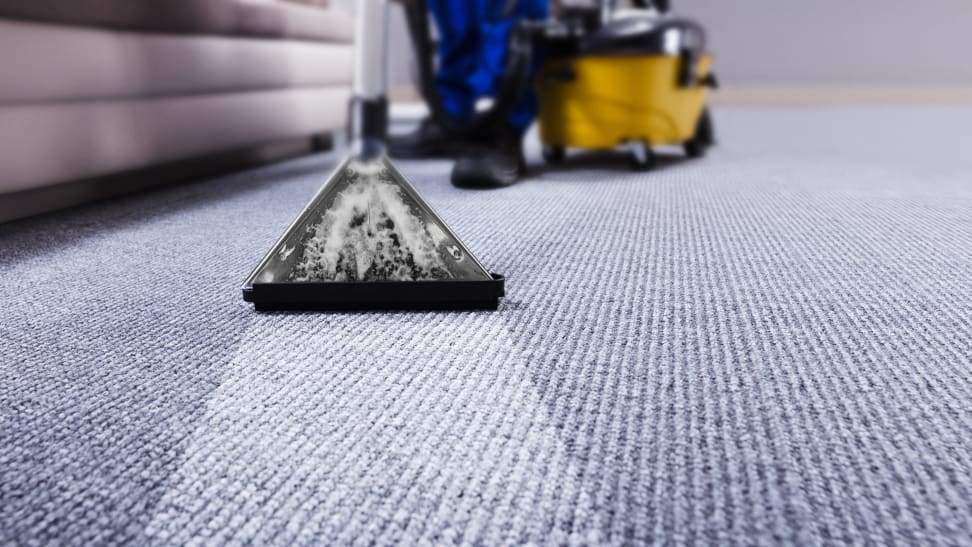
Dirty rugs can significantly affect lung wellbeing, particularly for people with existing conditions such as allergies and asthma. When dust and allergy triggers build up in rug fibers, they are often shaken up by regular activities such as walking or cleaning, throwing dust into the air. These airborne particles can worsen reactions for sensitive people, resulting in difficulty breathing, noisy breathing, and coughing.
Additionally, prolonged exposure to these irritants can contribute to the development of respiratory issues over the long run. Children, the elderly, and those with weakened defenses are particularly at risk, as their respiratory systems may be more reactive to allergens found in static dirt. This can present not only as allergic responses but also as long-lasting lung conditions, affecting overall health and health.
To reduce these risks, routine rug maintenance and care are critical. Professional services can efficiently remove embedded dirt and triggers, reducing potential exposure. Residents should also consider employing high-efficiency particulate air (HEPA) vacuum cleaners and keeping ideal moisture levels to further decrease dust buildup and promote a healthier indoor environment.
Reactions Triggered by Soiled Rugs
Dirty carpets can hold a range of allergens that markedly affect indoor air quality. When you walk across a carpet, tiny fragments become airborne and may easily be inhaled. Common irritants found in dust are composed of mites, animal fur, mold spores, and pollen. These substances thrive in the fibers of rugs, making them a concealed source of irritation for numerous families. The continuous presence of these allergens may induce allergic responses and worsen existing respiratory conditions.
Individuals with pre-existing allergies or asthma are particularly vulnerable to the effects of these airborne irritants. The breathing in of dust and dust-related allergens can result in symptoms such as nose irritation, throat irritation, and nasal congestion. More serious reactions may happen in some people, leading to asthma attacks or difficulty breathing. Regular exposure to a dusty environment can aggravate these issues, creating a cycle that compromises respiratory health.
To mitigate these health risks, frequent and thorough carpet cleaning is necessary. Vacuuming with a HEPA particulate air filter can help remove a substantial portion of dust and allergens. Additionally, deep cleaning methods such as hot water extraction may remove embedded substances that regular vacuuming might overlook. By ensuring clean rugs, families can alleviate allergy symptoms and improve overall interior air quality, resulting in more healthy living spaces.
Asthma and Indoor Air Quality
Indoor air quality plays a crucial role in the health of persons, particularly for those who experience asthma. Dust particles and allergens that accumulate in carpets can lead to a significant decline in air quality, causing asthma attacks and exacerbating respiratory problems. These particles can become suspended in the air with daily activities, making it essential for families to understand how their home environment affects their health.
Carpets act as filters, capturing various allergens such as dust mites, pet dander, and pollen. Unfortunately, with time, these carpets can become reservoirs for harmful particulates. When upset, these allergens are released back into the air, causing greater exposure for those with respiratory conditions. Consistent carpet cleaning can reduce this risk, helping to ensure a healthier indoor environment.
To reduce the risk of asthma triggers, it is crucial to blend consistent cleaning practices with effective measures such as using high-efficiency particulate air filters and ensuring proper ventilation. By being How to remove tough stains with carpet shampoo about indoor air quality, families can create a more secure living space, reducing the effects of dust and allergens and in the end supporting better respiratory health.
Preventive Strategies for a Healthier Home
Ensuring a sanitary environment is key to minimizing the chance of medical concerns related to floor coverings. Frequent cleaning is essential, but it should be done using a hoover equipped with a HEPA filter to make sure that allergens and particles are efficiently captured rather than just redistributed into the air. Aim to vacuum heavily used areas at least twice a week and other areas at least once a week. Additionally, consider using area rugs in place of complete carpeting, as they can be easier to maintain and less likely to hold dust and allergens.
Another valuable method is to enforce a strict no-shoes policy inside the house. Shoes can carry dirt, pollen, and various allergens that cause respiratory problems. Motivating family members and guests to take off their shoes upon walking in can dramatically reduce the amount of dust tracked inside. Providing a designated area for shoes and giving comfortable indoor slippers can make this policy more convenient and feasible.
Finally, explore investing in professional carpet cleaning services at a minimum of once a year. These services can thoroughly clean carpets, getting rid of dust mites, pet dander, and other allergens that routine vacuuming may miss. Complementing professional cleaning with sufficient ventilation can additionally enhance indoor air quality. Wider opening windows whenever feasible and using air purifiers with HEPA filters can help maintain the air clear and reduce the concentration of respiratory triggers, creating a better home for your family.