

All home shares a tale, however occasionally the story turns obscured by unseen threats concealed inside our rug. Dust and allergens build up in our homes gradually, commonly being overlooked until they begin to influence our well-being. Regular carpet cleaning is more than just a task; it is a crucial measure for developing a cleaner atmosphere for yourself and the household. If carpets are neglected, they turn into hosts for allergens that can cause lung problems, sensitivity, and including asthma.
For individuals who experience sensitivities, the occurrence of mites, animal hair, and various allergens can cause distressing symptoms that affect daily life. The good news is that with a dedication to regular cleaning, you can significantly minimize these risks to your health. Implementing a schedule of specialized carpet cleaning not only refreshes your space but likewise contributes to the well-being of all who steps inside. By taking this proactive approach, you are committing to a tidier home where your family can flourish.
Comprehending Dirt and Allergy Triggers
Dust and allergens are common invaders in our homes, frequently going ignored until they begin to affect our well-being. Dust is a mixture of tiny particles including dirt, skin cells, fur, flower powder, and others. These fragments accumulate in carpets, furniture, and various surfaces, forming a breeding ground for allergens. When disturbed, they can turn airborne, resulting to respiratory issues and a range of medical issues for you and your household.
Allergens, such as pet dander, fungal particles, and tiny pests, are particularly concerning for people with allergies and asthma. These substances can cause immune responses, leading to symptoms like sniffling, irritated eyes, and coughing. For those with asthma, exposure to dust and allergens can exacerbate the condition, leading to trouble in breathing and greater dependence on medication. Understanding these risks is crucial for keeping a healthy indoor atmosphere.
Routine carpet maintenance plays a key part in controlling dust and allergens in your house. By removing deep-seated soil and allergy triggers from carpets, you can significantly lessen the likelihood of respiratory problems and enhance overall atmosphere. Establishing a regular cleaning schedule guarantees that your living space stays hygienic and comfortable for your family.
Impact on Breathing Well-Being
Carpets can serve as a trap for particles, allergens, and other contaminants that can greatly affect breathing health. When people walk on rugged surfaces, these substances can turn airborne, resulting in increased inhalation of dangerous particles. This ongoing exposure can aggravate breathing issues, especially for individuals with prior conditions such as asthma or other sensitivity.
For those experiencing from respiratory problems, the buildup of dust mites, animal hair, and fungal spores in rugs can be particularly detrimental. These irritants can trigger symptoms such as coughing, wheezing, and breathlessness. Frequent rug cleaning can help lower these irritants, creating a healthier environment for all in the home, especially vulnerable groups like kids and the aged.
Investing in professional carpet cleaning not only enhances the visual appeal of your home but also adds to improved indoor air quality. By removing toxic dust and allergens, families can have a noticeable difference in their overall well-being. Fresh, clean rugs can lead to fewer sensitivity attacks and a reduction in breathing-related health issues, promoting a healthier living environment for all.
A Connection Among Allergen Reactions and Carpets
Carpets can be a refuge for debris, irritants, and various contaminants that greatly affect indoor air cleanliness. As individuals walk on carpets, they dislodge these trapped particles, causing them to become airborne. This is especially concerning for people with allergies and asthma, as breathing in these irritants can lead to increased reactions and discomfort. Frequent rug maintenance is essential to reduce these risks and maintain a more wholesome environment for your household.
Irritants such as animal hair, pollen, and microscopic pests can thrive in rugs, making them a potential catalyst for respiratory problems. In homes where pets are kept, fur can build up quickly, exacerbating allergy symptoms. Additionally, https://kleencarpetcleaning.com/v1/what-to-expect-when-you-search-for-carpet-cleaning-near-me/ , which feed on dead skin cells, can be prevalent in rugs that are not properly cleaned. Without regular maintenance, these allergens can create a nesting area, heightening the likelihood of allergy flare-ups and breathing difficulties.
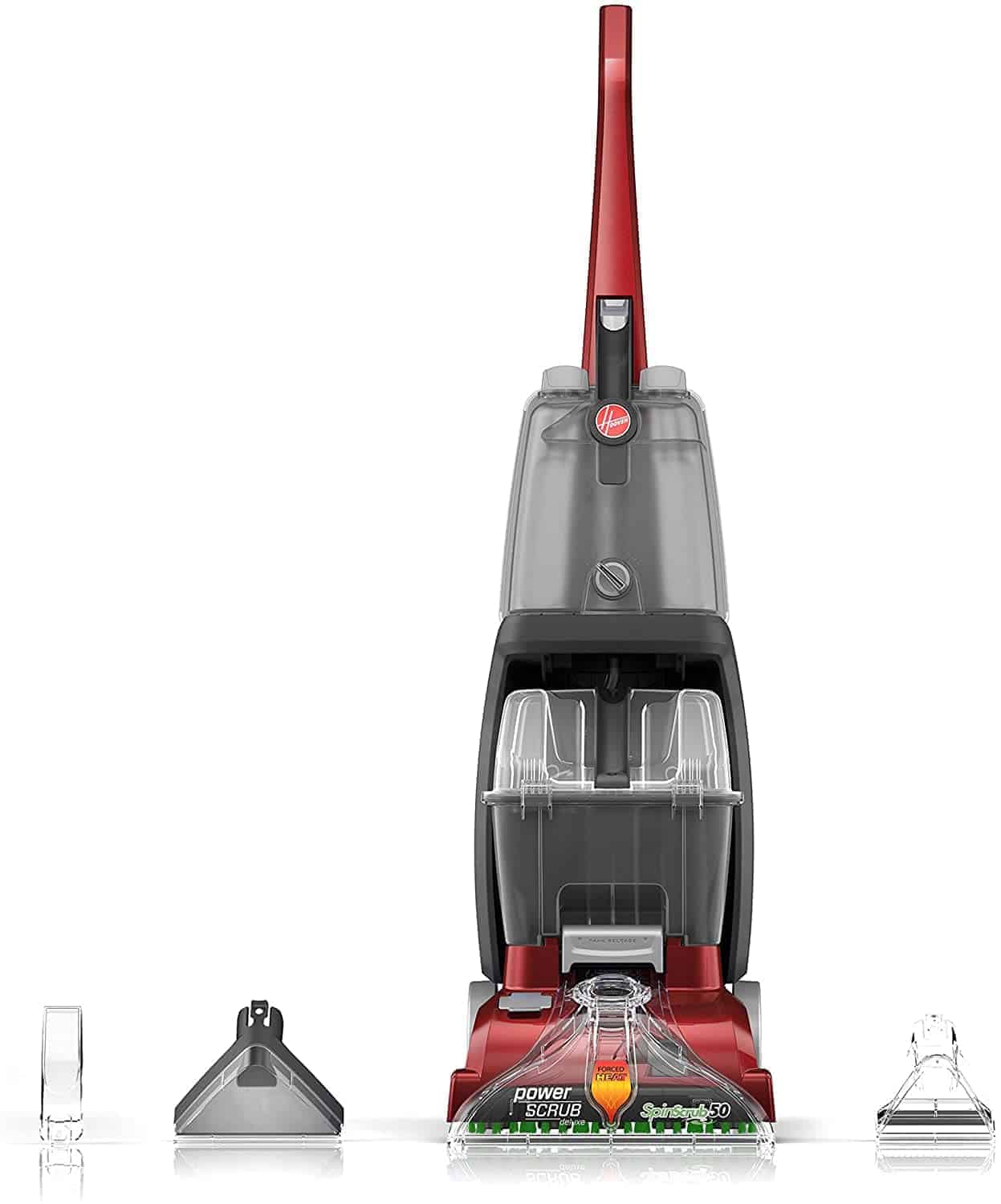
To tackle these health concerns, it is vital to implement a consistent carpet maintenance routine. Hoovering alone may not be enough, as it only takes away top dirt and does not eliminate embedded contaminants. Expert cleaning methods, such as steam cleaning, can help remove irritants and particles more thoroughly. By prioritizing carpet hygiene, you can reduce the amount of harmful particles, making your home a more secure space for your family.
Advantages of Routine Cleaning
Regular carpet cleaning offers considerable health benefits by diminishing dust particles and allergy-causing agents in your house. Carpets can hold microscopic particles such as flower pollen, animal fur, and dust-borne creatures, creating a environment for allergens. Consistent cleaning successfully eliminates these nuisances, promoting a fresher indoor environment for your household. A tidier carpet means less allergens circulating in the air, leading to an overall enhancement in indoor air quality within your home.
By minimizing the presence of dust and allergens, regular carpet maintenance can also help alleviate symptoms associated with respiratory problems. For people dealing from allergies and asthma, a clean carpet can have a significant difference. Diminishing the allergen load in your home can contribute to less asthmatic episodes and a more pleasant home environment. Families with small kids or senior citizens, who may be at higher risk to respiratory issues, especially gain advantage from this practice.
In addition to to health benefits, maintaining clean carpets can have a beneficial effect on overall wellness. A fresh environment not just appears inviting but can also enhance your spirits and lower stress. Incorporating carpet cleaning a routine part of your home maintenance schedule ensures a safer, safer space for all and promotes a forward-thinking approach to family wellness.
Tips for Optimal Carpet Maintenance
Consistent maintenance of your carpets is crucial to prevent the accumulation of debris and pollutants that can lead to breathing issues for your family. Cleaning your carpets at least once a week can help remove contaminants, dust mites, and pet dander. Spend in a quality vacuum cleaner with a HEPA filter to capture tiny small particles efficiently. When vacuuming, make sure to cover every square foot of the carpet, and do not rush the job; slow, thoughtful passes are more successful at picking up particles.
In addition to regular vacuuming, consider adopting a thorough upkeep routine every six to twelve months. This can involve steam cleaning or hiring professional carpet cleaners who use non-toxic products to remove stubborn dirt and allergens. Deep cleaning not only renews your carpets but also increases their longevity and maintains their condition. Always remember to let carpets to dry thoroughly afterward to prevent mold growth.
Lastly, take steps to limit contaminants and allergens entering your home. Use doormats at all entrances to catch debris from shoes, and remind family members to leave their shoes before walking on carpets. Consistently cleaning these mats will also contribute to a safer indoor environment. By adopting these tips, you can keep cleaner carpets and lower the chance of allergies and asthma in your household.